
Studios, stages and control rooms we have worked in
A look at the kind of setups we plan and run: studio floors, lit stages, audio desks and galleries, with notes on what each involves.

The details behind each production
These scenes show the equipment and decisions that make up our work. Each one reflects a stage of planning or operation, from camera positions to the final signal check.
-
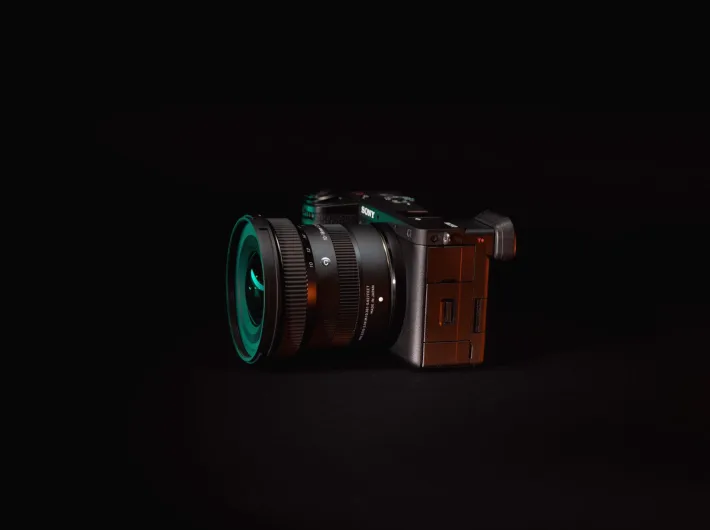
Multi-camera studio floor
Cameras sit on pedestals with agreed shot sizes, so operators know their framing before the first rehearsal. Cable runs are taped and routed away from presenter movement.
-
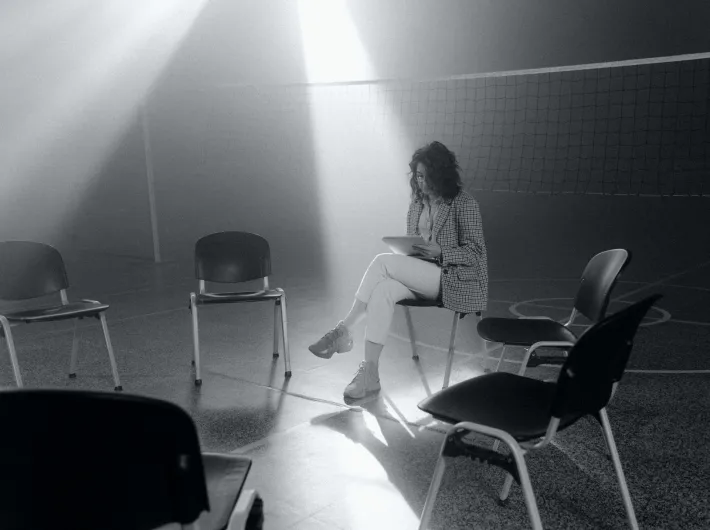
Key and fill on a talk set
A soft key light with a gentler fill keeps faces natural on camera while the background keeps its own depth. Positions are marked so the look can be rebuilt on the next recording day.
-
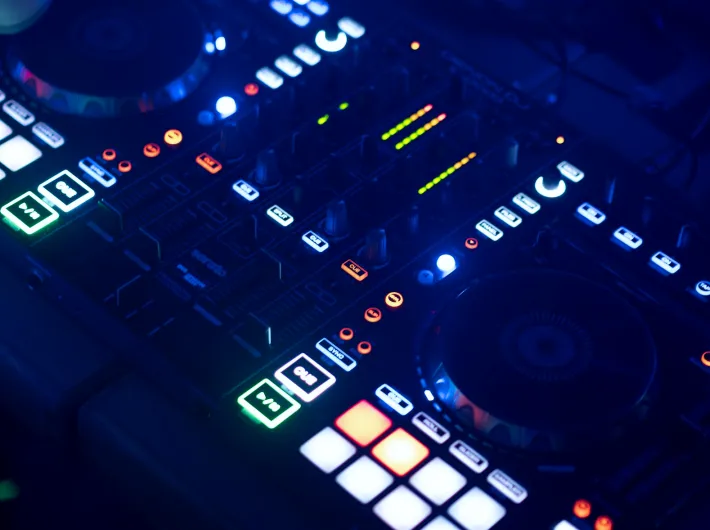
Mixing desk during a live feed
Levels are checked against speech peaks before going to air, with a separate monitor mix for the engineer. Radio mic batteries and frequencies are logged at the start of the day.
-
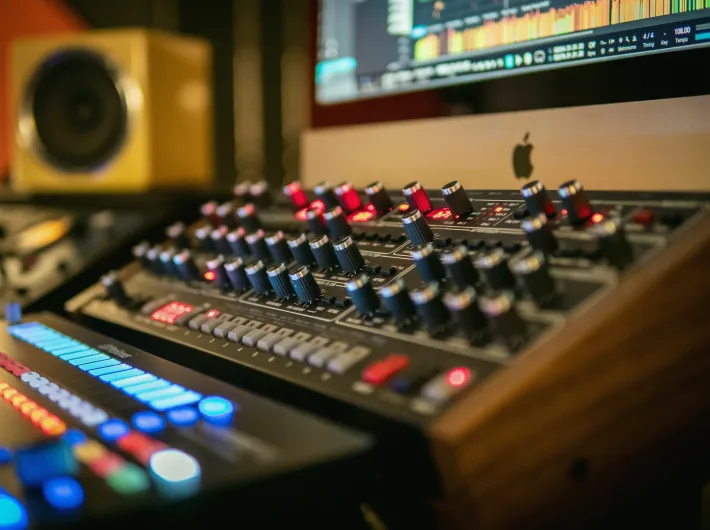
Vision mixer in the gallery
The director calls shots while the vision mixer cuts between cameras, graphics and replays. Clear talkback and a printed running order keep the whole gallery in step.
-
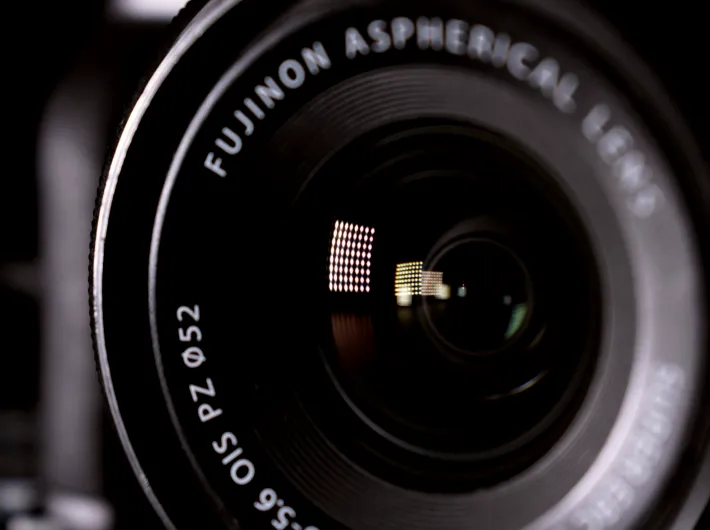
Interview corner with portrait lighting
A single camera, two lights and a lavalier microphone are enough for a clean interview. The setup fits into a small room and can be struck again in a short time.
-

Event stage lighting check
Stage washes and spots are focused with the camera view in mind, not only the audience's. Priya checks exposure on screen before doors open and again once the speakers walk on.
What clients recall about the work
These comments come from producers and organisers who have used showfyzo for studio, event and interview work. They describe the experience in their own words.
“We needed a three-camera setup in a hall that had never been used for filming. Daniel visited beforehand, marked the positions and the rig went up without surprises. Our presenters stayed relaxed and the footage cut together easily afterwards.”
“The lighting for our panel stage looked good in the room and on screen, which is harder than it sounds. Priya explained her choices clearly and adjusted a spot as soon as we noticed a shadow on one speaker.”
“Sound was our worry, as the venue echoes badly. Tom placed the microphones carefully and the feed stayed intelligible throughout. Afterwards we received clean recordings of each speaker, labelled and ready to edit.”
“We asked for a review of our small gallery and received a plain written list of changes, in order of importance. We have worked through most of it, and rehearsals now run noticeably more smoothly.”